How to Get into GP Training: MSRA Tips from a GP Trainee
October 5, 2026 · 5 min read
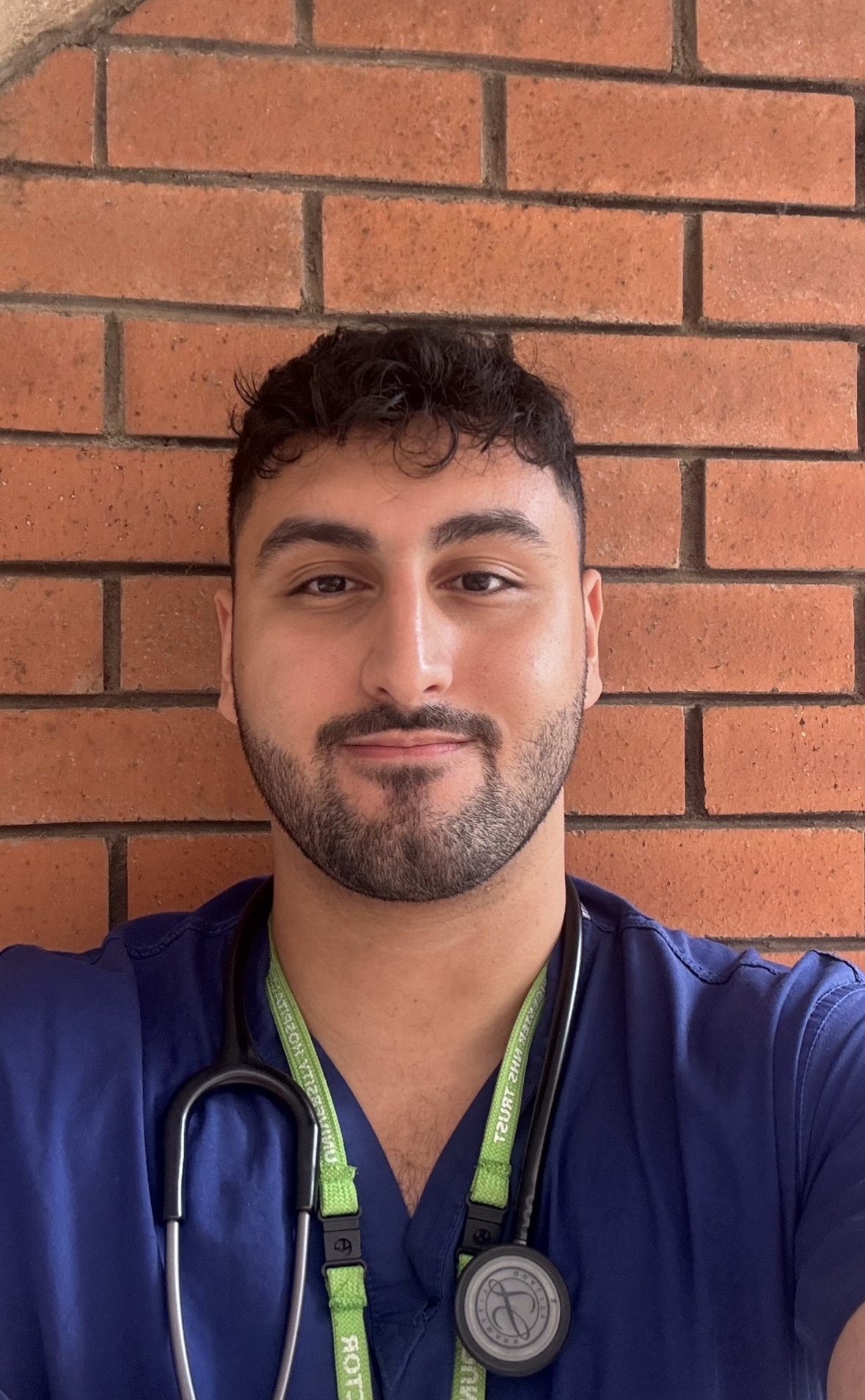
What is general practice really like, and how do you get in? On the Doctor Specialty Coaching podcast, I spoke to Dr Hassan, a GP ST1 trainee who coaches applicants for the MSRA. Here is what he shared about the job, the training and how to prepare.
https://youtu.be/18mAt6WMxDQ?si=Iau-3ojTK6pZaFwC
Why GP?
For Hassan, GP is what he always pictured when he thought of "the doctor". It is also a role with real responsibility. Without bloods or scans on hand, you rely on your clinical judgement, which means constantly keeping up to date, whether that is weight loss injections or developments in mental health.
"The variety and the amount of things you can learn in GP are technically unlimited."
He says he learnt more in his first six weeks of GP training than he expected, and that the training is built around becoming a self-reflective doctor.
The biggest adjustment
Hassan had no GP placement in foundation training, so the step into the GP chair was a big one. Two things took getting used to:
You can't solve everything in one consultation. Some problems need time, and patients can be seen several times before a referral is needed.
Safety netting becomes essential. On a ward you have the wider team. In GP, the decision is often yours alone, so patients need to know exactly when to come back.
Who thrives in GP?
Hassan turns the question around:
"It's how can GP thrive because of you and your unique skill set?"
GPs shape their work around their strengths. In his practice, some doctors take on most of the HRT work, others diabetes. He is interested in keeping practical skills, such as joint injections, which GPs can train in through short accredited courses.
A typical week as a GP trainee
Monday to Wednesday: clinics, with the option to sit in on specialist clinics such as diabetes.
Thursday: half a day of protected teaching, then half a day off.
Friday: clinic.
Home visits: around two or three a week.
Home visits felt strange at first, but supervisors are always a phone call away. Hassan values them because they push trainees towards independence, and because you learn things about a patient in their own home that you would never see in clinic.
How GP training is assessed
E-portfolio (FourteenFish): cases, examinations, reflections and courses throughout training.
AKT: the written knowledge exam.
SCA: the clinical skills assessment, similar in style to an OSCE.
Complete all three and you are ready for your CCT.
How to get into GP training
Hassan describes GP recruitment as more straightforward than many specialties:
Apply through Oriel once your foundation training is signed off. Applications usually open in the autumn.
Sit the MSRA (Multi-Specialty Recruitment Assessment).
Your score gives you a rank, and you preference the regions you want.
When you receive an offer, you can accept it, reject it, or accept and hold for upgrades to a higher-preferenced region.
Upgrades are worth knowing about. Hassan's first offer was far from his top choice. He held it, was upgraded twice, and ended up in the region he wanted. Because many applicants also hold offers in other specialties, allocations often keep moving until late in the process.
What the MSRA is really testing
The MSRA has two halves: a situational judgement test (SJT) on professional dilemmas, and a clinical knowledge paper. Hassan's view is that both are asking one thing: are you a safe doctor?
Clinical questions are short, and test whether you know that common things are common.
SJT questions test whether you know when to escalate, when to seek help, and your own limits, in line with Good Medical Practice.
"Behind every single question, there's a theme."
That theme might be fitness to practise, accountability or escalation. His key tip is to read each question from the examiner's point of view and ask what they are looking for, rather than taking it at face value.
Three common MSRA preparation mistakes
Neglecting the SJT. Many people leave it to the last week or two, yet it makes up half the marks. You can't revise it like facts, but you can build your own framework for ranking answers.
Using too many resources. Most resources teach the same things. Pick one and stick to it, especially when you are studying around a full-time job.
Over-preparing. Postgraduate exams test real-world judgement more than memorised detail, so medical school revision habits don't always transfer.
How long should you prepare?
Hassan started eight or nine months before his exam and calls it a mistake:
"I spent too much time trying to maintain the knowledge that I had."
He had most of what he needed within a couple of months, then spent the rest trying not to forget it. His recommendation is two to three months of focused preparation for most people.
How flexible is GP?
Very, in Hassan's experience. Less than full time training is common, and once qualified you can shape your career around private work, education, a special interest or hospital sessions.
"You can dictate what GP land is gonna look like for you."
After years of being allocated to rotations you didn't choose, he sees GP as many doctors' first real chance to build a working life on their own terms.
Why learn from a recent trainee?
GP recruitment changes quickly. Advice from someone who applied ten years ago, or from generic AI answers, tends to be general. Someone who has just been through the MSRA knows what the process looks like now. As Hassan puts it, coaching gives you direction, direction builds confidence, and confidence improves everything else.
Book a session with Dr Hassan
If you're preparing for the MSRA or applying for GP training, you can book a one-to-one session with Dr Hassan on Doctor Specialty Coaching. Every coach is GMC-verified and has recently been through selection themselves.